Losing youth to a clinical rarity
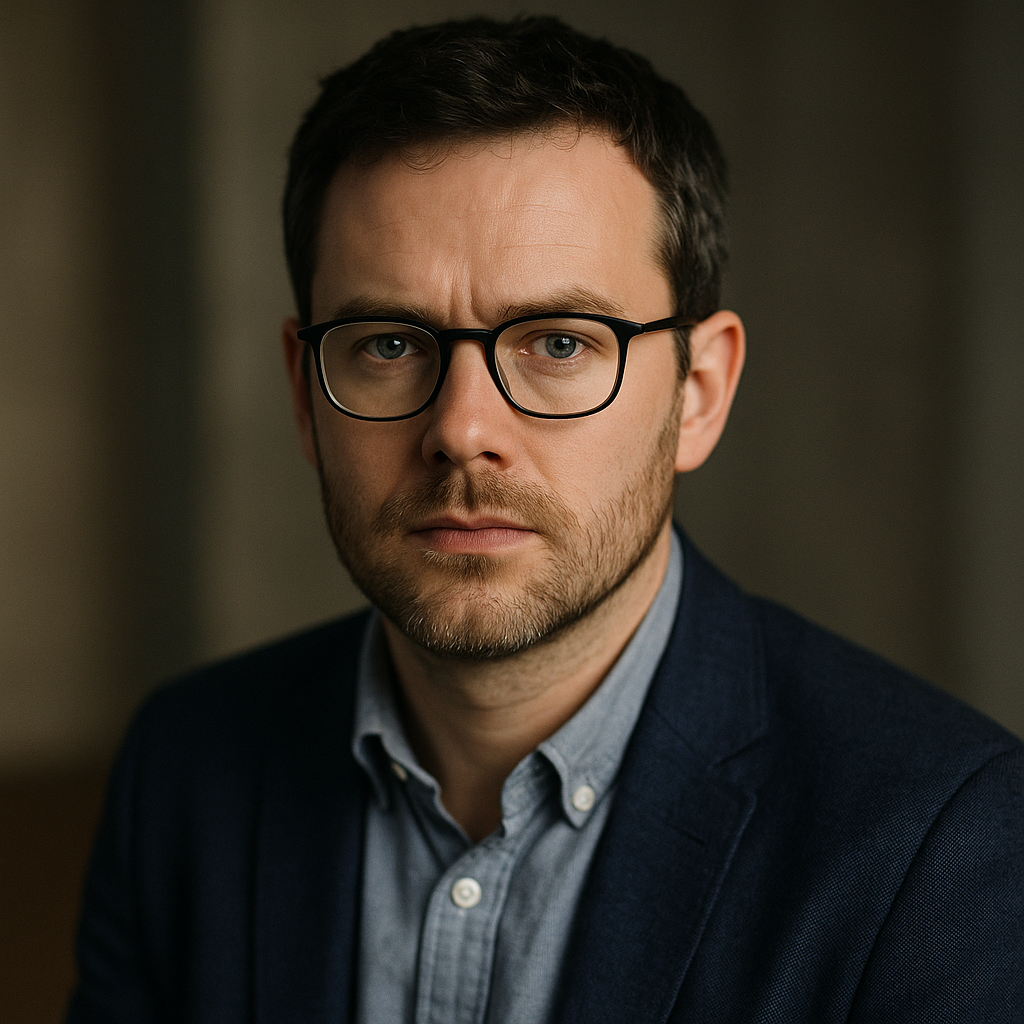
Andre Yarham, a 24-year-old man from Dereham in Norfolk, died on 27 December 2025 after a rapid and devastating course of frontotemporal dementia (FTD). His mother, Samantha Fairbairn, says the first worrying signs — forgetfulness and changes in behaviour — emerged in late 2022; he was referred for specialist care and was formally diagnosed at Addenbrooke’s Hospital in Cambridge before his 23rd birthday. The family has donated Andre’s brain to the Cambridge Brain Bank at Addenbrooke’s in the hope that tissue studies will help researchers understand why so few treatments exist for people with this form of dementia.
A disease that looks different and strikes earlier
Frontotemporal dementia is not a single illness but a set of syndromes that target the frontal and temporal lobes — brain regions that govern behaviour, decision-making and language. Unlike Alzheimer’s disease, which usually begins after age 65, FTD more commonly presents in midlife: most diagnoses occur between about 45 and 65, though cases can appear much younger or older. Symptoms frequently begin as personality change, impulsive or socially inappropriate acts, or progressive difficulties with speech — features that can mislead clinicians and families early on. There is currently no cure and no treatment shown to slow disease progression, so care focuses on symptom management and support for patients and carers.
The family’s timeline and final days
Samantha Fairbairn has described a steep decline: Andre was well enough to walk into a care home in September 2025 but, within weeks, required a wheelchair and rapidly lost speech and appetite. An infection in December precipitated the terminal phase; he spent several weeks in hospital and then moved to a hospice, where he died on 27 December. Throughout those months, his family say his sense of humour and personality could still be glimpsed — a reminder that clinical deterioration does not erase identity in simple ways. The decision to donate his brain was framed by his and his family’s wish that future patients and families might benefit from whatever tissue-based research can reveal.
Why donated brains still matter to modern research
When someone with dementia donates their brain, researchers get a unique and irreplaceable window into disease biology. Post-mortem tissue allows scientists to identify the specific proteins that have accumulated, map which neural circuits were most damaged, and correlate those findings with scans and clinical records taken while the person was alive. That validation is crucial: researchers testing new imaging markers or blood tests need post-mortem confirmation that the scans and biomarkers actually reflect the pathology in the tissue. The Cambridge Brain Bank, which accepts donations through Addenbrooke’s and associated university groups, explicitly supports that translational bridge between bedside imaging and laboratory science.
Genetics, young onset and what tissue can reveal
Some forms of FTD have a strong genetic component. Mutations such as expansions in C9orf72 and changes in genes like GRN and MAPT are known to cause inherited forms of the disease and tend to produce earlier onset in affected families. Population and cohort studies show that these genetic causes are important to untangle because they influence how the disease presents and how rapidly it progresses; tissue analysis can confirm whether a clinical syndrome was driven by the proteinopathies or repeat expansions researchers increasingly target with gene-based therapies. That molecular information — the precise proteins present and their distribution across brain regions — is what laboratory researchers can only obtain from donated tissue.
Gaps in diagnosis, and why attention to young people matters
Rarer dementias like FTD are likely underdiagnosed, in part because their early symptoms can look like psychiatric conditions, stress or simple behavioural changes. Analysis of NHS data and specialist reports has suggested that many people with non‑Alzheimer’s dementias fall into broad or inconclusive diagnostic categories, leaving them without access to tailored services and clinical trials. In practice, this means younger patients — who carry different social and employment obligations than older adults — can struggle to find appropriate care pathways and support. Public awareness, quicker specialist referral and genetic testing where indicated are all part of the push to reduce those diagnostic gaps.
How donated brains are used in practice
Donated brain tissue supports a range of studies. Neuropathologists examine which cell types contain abnormal protein aggregates, immunohistochemistry can map protein deposition across networks, and tissue can be used to seed laboratory models that test how pathological proteins spread between cells. In the Cambridge research ecosystem, donated brains have been central to validating advanced PET imaging ligands and to studies that compare in‑life scans with post‑mortem diagnosis — a process that strengthens confidence in non‑invasive biomarkers and in the development of precision trials. Those are the kinds of projects that can translate a single donation into many papers, datasets and, potentially, therapeutic leads.
Where research is heading — and limits to expectation
Clinical trials and laboratory work are exploring genetic approaches, immune modulation and other strategies that might alter the course of specific molecular subtypes of FTD. Some gene‑targeting programs are already in early human studies for genetic subtypes, and the growth of proteomics and blood‑based biomarkers promises earlier, less invasive detection. Nevertheless, any pathway from tissue discovery to an approved treatment is long and uncertain: basic discoveries must be translated into drug candidates, tested for safety and efficacy, and only then validated in larger patient trials. Donations like Andre’s accelerate the basic steps of that pipeline, but they do not guarantee a quick therapy.
Practical steps and the human footprint
For Samantha Fairbairn and her family, the hope is plain and earnest: that Andre’s donation will help researchers find answers that spare another family the same heartbreak. The path from a single brain to a therapy is long and collaborative, but each well‑documented donation tightens the connection between clinical observation and laboratory insight — and that is the foundation on which future treatments will be built.
Sources
- Cambridge Brain Bank (Addenbrooke's Hospital / Cambridge University Hospitals)
- NHS — Frontotemporal dementia information pages
- Brain (Oxford Academic) — post‑mortem validation and Cambridge research studies
- Population genetics study on C9orf72 (UK Biobank / Brain journal research)