Scientists Warn of Abrupt, Potentially Irreversible Antarctic Collapse
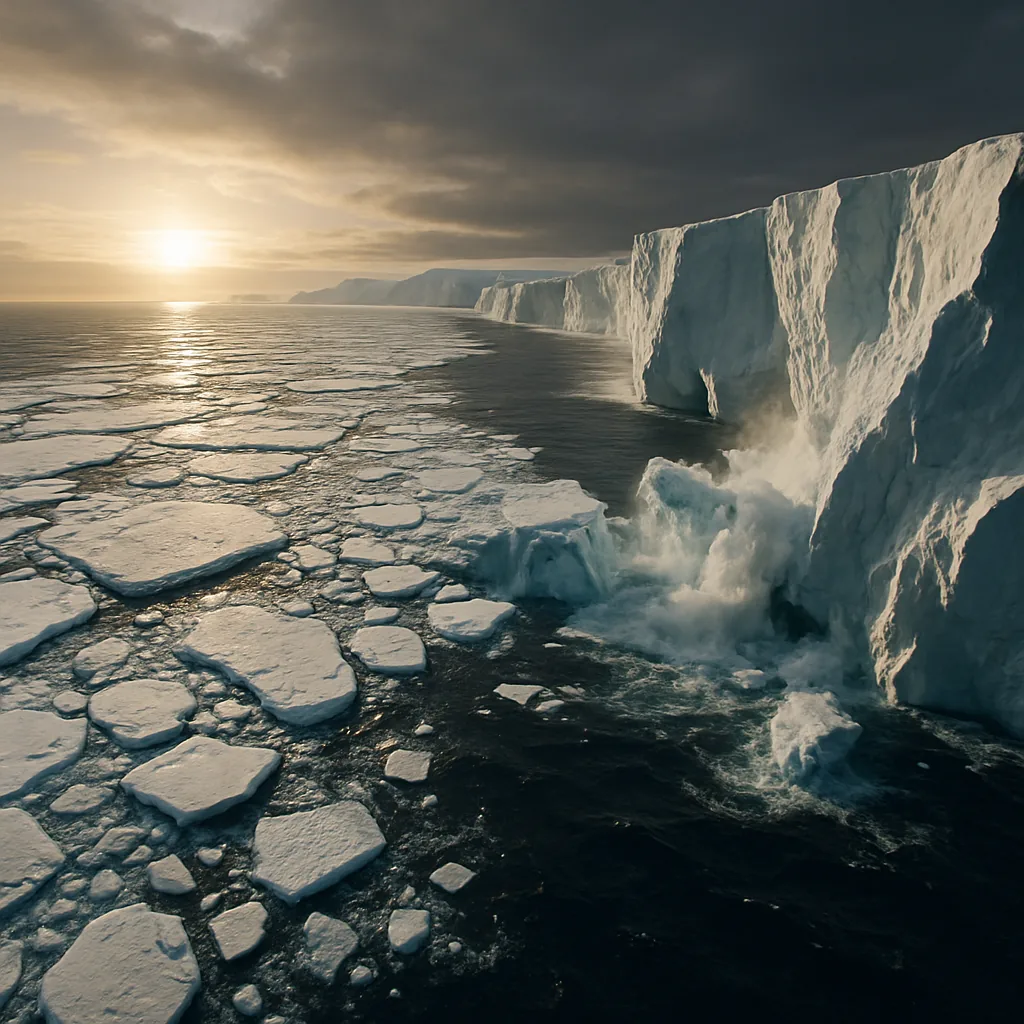
Researchers report that Antarctica is experiencing rapid, interconnected shifts in its ice, ocean and ecosystems that could cross tipping points with wide-ranging global consequences. The study warns some changes may already be approaching irreversibility without swift reductions in greenhouse gas emissions.
Key findings
Impacts on oceans, climate and ecosystems
The study highlights several consequences if current trends continue. Melting Antarctic ice would raise global sea levels, threatening coastal communities worldwide. Changes in the Southern Ocean could reduce its capacity to absorb carbon dioxide, contributing to faster global warming.
Marine ecosystems face rising risks: emperor penguins rely on stable sea ice for chick rearing and have already suffered colony losses tied to early sea-ice breakup. Krill, seals, other penguin species and key phytoplankton are also being affected by warming and ocean acidification, with implications for the wider food web.
Risks to ocean circulation
Researchers warn of a potential collapse of the Antarctic overturning circulation. Such a collapse would trap nutrients on the seafloor rather than bringing them to the surface, impairing primary production and altering marine ecosystems on regional to global scales.
Regional consequences for Australia
For nations in the Southern Hemisphere, including Australia, projected impacts include higher sea levels, a warmer and less oxygenated Southern Ocean, reduced oceanic carbon uptake, and stronger regional warming associated with Antarctic sea-ice loss. These changes will affect coastal planning, fisheries and climate risk management.
What scientists recommend
Study details