Everyday health wins powered by NASA innovations
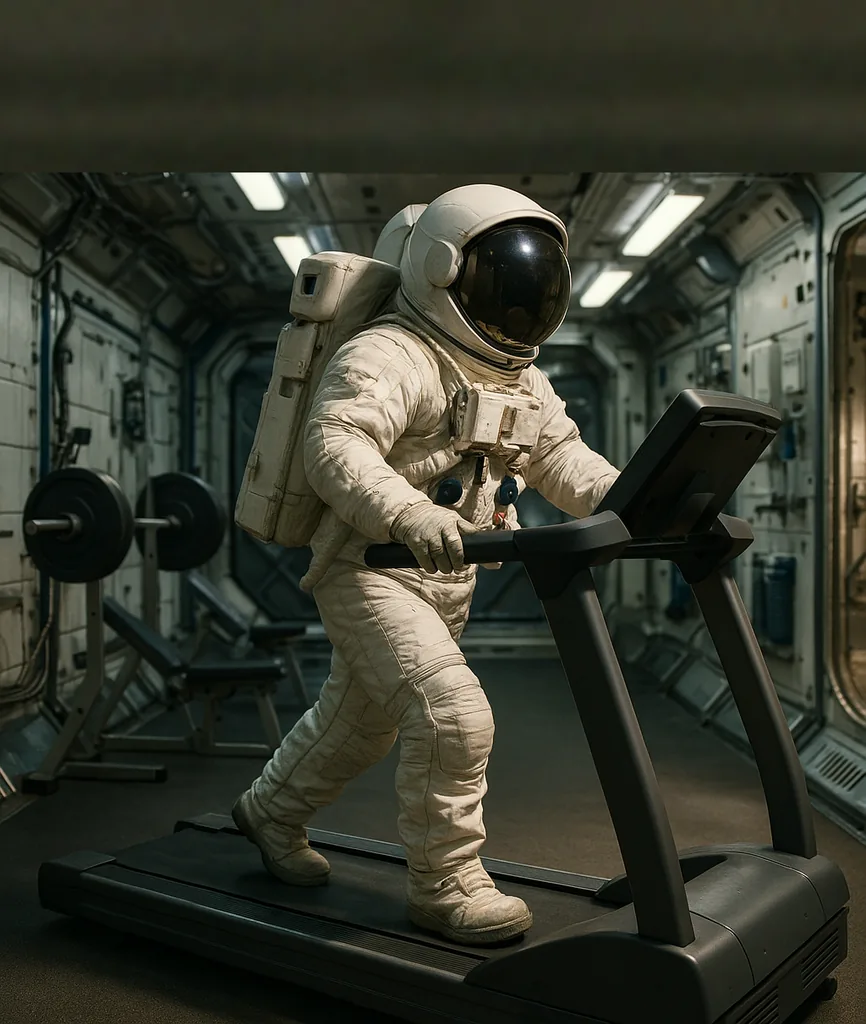
Space exploration didn’t just give us breathtaking images; it quietly upgraded the tools that keep us seeing better, diagnosing earlier, and caring at a distance.
NASA’s gear doesn’t just go to space -it boomerangs back to your bathroom cabinet, your dentist’s office, and even your smartwatch. Take a tour of proven NASA spinoffs you can actually use (or ask your clinician about), plus simple, practical tips to get more health mileage out of them.
Better Eye Care: Space-grade optics → sharper LASIK & smarter checkups
To align the James Webb Space Telescope’s mirrors, engineers refined “wavefront” mapping - ultra-precise measurements of surface imperfections. The same math now helps eye surgeons measure your unique optical fingerprint and guide modern LASIK more safely and accurately. If you’re considering vision correction, ask your clinic whether they use wavefront-guided diagnostics descended from NASA/Webb work.
Try this: Even if you’re not doing LASIK, book comprehensive eye exams that include wavefront/aberration scans where available. They can uncover subtle focusing errors and improve lens prescriptions.
Bonus everyday win: Scratch-resistant, UV-filtering eyewear traces back to visor and coating research for astronauts. When buying sunglasses or prescription lenses, look for proven scratch-resistant coatings and 100% UV protection.
Faster, cleaner fevers: Infrared ear thermometers
That quick ear-tip thermometer that reads in seconds. It grew from NASA/JPL infrared astronomy techniques (the same physics used to measure the temperature of stars). In clinical and home models, this approach reduces cross-contamination and speeds up triage. [ source ]
Keep a reliable infrared ear thermometer at home. For accuracy, follow the manual’s placement guidance and take 2–3 readings—use the average if they differ slightly.
Gentler diagnostics: Tiny space cameras → better dental X-rays & endoscopy
JPL’s CMOS active-pixel sensors (born to shrink spacecraft cameras) now power many medical imagers. In dentistry and minimally invasive scopes, CMOS can reduce noise, improve detail, and enable smaller, cooler devices - more comfort for you, better pictures for clinicians.
At your next dental checkup, ask if they use CMOS digital radiography - images can be clearer and require less radiation than older systems.
Remote care that really works: Astronaut telemetry → home health monitoring
Monitoring astronauts in orbit pushed NASA to perfect reliable, low-power telemetry - sending vital signs wirelessly from body to base. That DNA is visible in today’s hospital multi-patient monitors, remote-patient-monitoring platforms, and even medical-grade smartwatches that track metrics and alert care teams.
If you’re managing a chronic condition, ask your doctor whether a remote-patient-monitoring program fits your case (blood pressure, oxygen saturation, sleep, arrhythmias).
Prefer medical-grade wearables (clinically validated) over generic fitness bands when decisions will be made from the data.
Life support at speed: Space engineers → rapid pandemic ventilators
In 2020, JPL designed the VITAL ventilator specifically for COVID-19 patients; the design received FDA Emergency Use Authorization and was licensed globally to boost supply. You’ll never shop for one-but it’s a reminder that space engineering can translate into rapid, lifesaving clinical hardware when health systems need it most.
Heart helpers: Rocket turbomachinery → tiny ventricular assist pumps
Collaborations between NASA engineers and cardiac surgeons (DeBakey/Noon) yielded compact ventricular assist devices (VADs)-bridge-to-transplant pumps that keep patients alive by moving blood efficiently with minimal damage to cells. If heart failure affects your family, know that VADs are a mature option discussed at advanced centers.
If a loved one has advanced heart failure, ask their cardiology team whether an evaluation at a VAD/advanced heart failure center appropriate, and what quality-of-life outcomes is look like for patients with modern, smaller pumps.
Shop-smart, live-smart: How to benefit from space-derived health tech
Ask for the provenance. When a clinic recommends a device or procedure (imaging, LASIK, wearables), ask whether it uses wavefront, CMOS, or validated telemetry—keywords often linked to NASA-grade rigor. [ source ]
Prioritize validation over hype. Look for peer-review, FDA clearance/EUA, or NASA Spinoff documentation when comparing gadgets. (NASA Spinoff write-ups are public and easy to read.)
Protect your eyes daily. Choose sunglasses/lenses with proven scratch-resistant coatings and 100% UV blocking; they last longer and protect retinal health. [ source ]
Upgrade your home kit. Add a contactless or ear infrared thermometer and an automatic blood pressure cuff; log readings in your phone to spot trends you can share with your doctor.
Use remote monitoring when it matters. If you live far from a clinic or manage chronic disease, remote programs (some based on NASA telemetry concepts) reduce travel and catch issues early.