Hidden Nitrogen Fixation Beneath Melting Arctic Ice May Boost Algae and Carbon Uptake
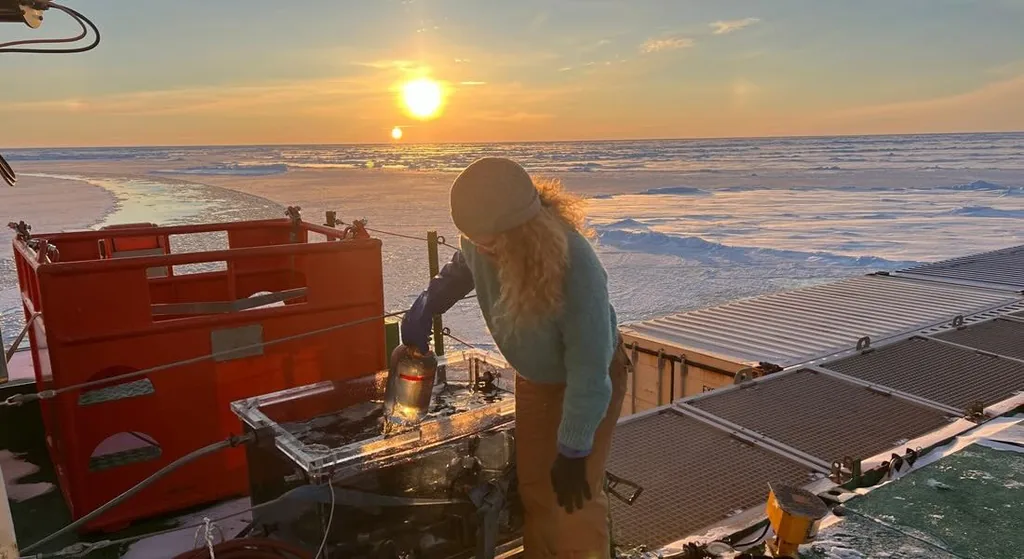
New observations under the ice
A study published on October 20, 2025 in Communications Earth & Environment reports the first detections of nitrogen fixation beneath central Arctic sea ice. In this process, microbes convert atmospheric dinitrogen gas into ammonia, a biologically available form of nitrogen that supports algae and other marine life.
Scientists had long assumed conditions beneath Arctic ice were too harsh for nitrogen-fixing organisms. The new work shows those assumptions were incomplete: nitrogen fixation does occur under the ice, and rates rise sharply along the edges of melting sea ice where conditions are most dynamic.
Different microbes, similar function
Potential ecological and climate implications
As sea ice retreats, the researchers conclude ammonia availability in the Arctic Ocean is likely to increase substantially. Greater nitrogen supply could fertilize algal production, with cascading effects through the food web: more algae can support larger populations of small animals such as planktonic crustaceans and, ultimately, fish.
An increase in algal biomass also has climate implications. Growing algae take up carbon dioxide from the atmosphere; if a larger portion of that carbon is retained in Arctic waters or exported to the deep ocean, it could represent an additional sink for CO2. However, the net climate effect depends on multiple interacting processes and is not yet known.
Gaps for models and future research
Summary