Lede: a pulse, a hug, a small revolution
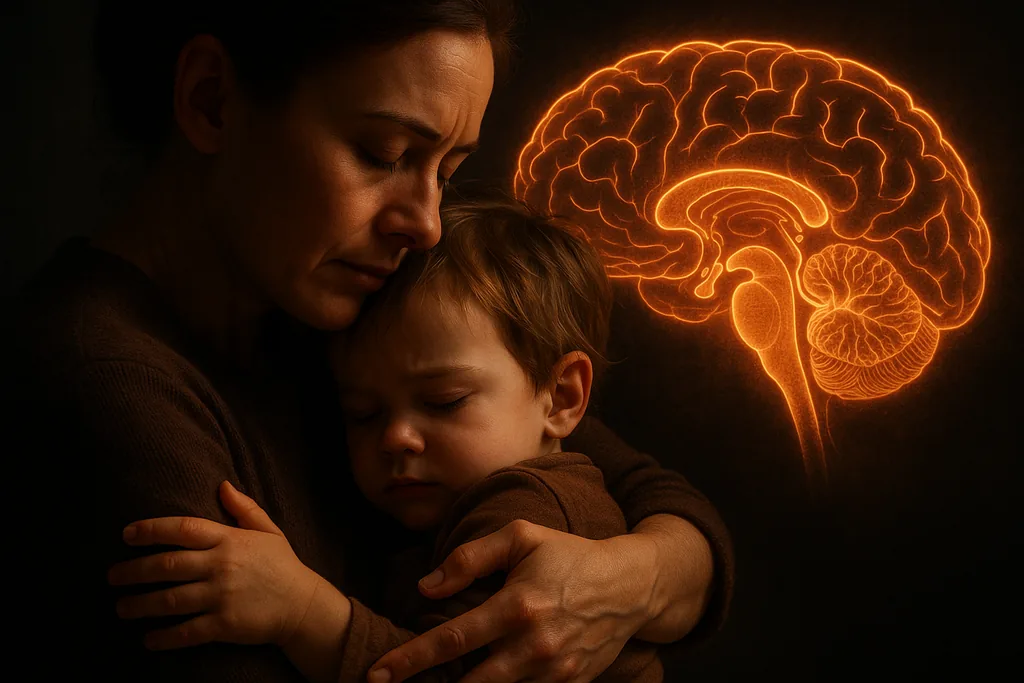
When a parent presses a tiny preterm body to their chest or an adult receives a warm embrace, something measurable shifts inside the brain. Recent reviews and experiments show that thermal signals—the simple sensation of warmth on the skin—are routed into the brain’s interoceptive and limbic systems in ways that strengthen emotional regulation, social bonding and even the feeling that “this body is mine.” These findings reconnect decades of sensory neuroscience with clinical care practices such as kangaroo (skin‑to‑skin) care and raise fresh possibilities for therapy, prosthetic design and how societies think about wellbeing in a warming world.
Skin-to-brain wiring
Sensory nerves in the skin do more than record pressure and texture. The epidermis carries dedicated thermoreceptors and a class of slow, unmyelinated tactile fibres—called C‑tactile afferents—that respond preferentially to gentle, caress‑like touch. Those signals travel to the posterior and then the anterior insular cortex, brain regions now recognised as central nodes of interoception: the brain’s representation of the body’s internal state. That path lets warmth and soft touch reach brain circuits involved in emotion, self‑awareness and autonomic regulation rather than only traditional somatosensory maps.
Neuroscientists have long argued that interoception forms the raw material for feelings and selfhood; recent targeted work on thermal signalling makes this concrete. Reviews and experimental studies show that tiny changes in skin temperature and the activation of temperature‑sensitive pathways reliably alter subjective body ownership and emotional valence, while also modulating stress physiology and social hormones such as oxytocin. Put plainly: feeling warm on the skin is not only comforting, it is a signal the brain uses to bind sensation to identity and to tune mood.
Affective touch, the insula and 'this body is mine'
The insula acts like a central relay for thermal and affective touch, converting peripheral inputs into conscious feelings about the body. Activation in the insular cortex has been observed in studies that selectively stimulate C‑tactile fibres and in experiments that alter perceived body ownership using illusions. When thermal cues are congruent with touch—think a warm palm on a forearm—people report stronger ownership of that limb, clearer interoceptive signals and lower physiological markers of stress. Researchers now propose that temperature is a fundamental, ancient input to the same systems that register heartbeats, hunger and breath.
Evidence from clinics and babies
Theoretical ideas about warmth and bodily self‑awareness have direct clinical echoes. In neonatal medicine, decades of work on kangaroo care shows that skin‑to‑skin contact stabilises breathing and heart rate and improves feeding. Newer imaging and outcome studies report associations between early skin contact and measurable brain differences in regions tied to attention, emotion regulation and the white‑matter tracts that connect them. Retrospective and prospective cohorts suggest that even short, repeated sessions of skin‑to‑skin care correlate with better neurodevelopmental scores at follow‑up. Those effects make sense in light of the thermal and affective pathways researchers now map from skin to insula to emotion networks.
Clinical papers also document links between disrupted thermal perception and neuropsychiatric conditions. Stroke patients, individuals with eating disorders and people who report body‑ownership disturbances often show altered thermoceptive processing. That pattern strengthens the idea that thermal signals are not epiphenomena of comfort: they participate in how the brain constructs a coherent body image, and when they go awry the sense of self can fragment.
Social thermoregulation and everyday life
Beyond single hugs, psychologists have long proposed a broader framework called social thermoregulation: the idea that social behaviours evolved in part to help organisms manage temperature collectively. People huddle, cuddle and sleep together not only to conserve heat but to scaffold attachment, emotional regulation and predictive models of the social world. Contemporary work links those evolutionary and behavioural ideas to the neural pathways described above, suggesting that regulation of body temperature through others can shape long‑term attachment patterns, self‑regulatory capacity and even relationship therapy strategies.
From hugs to hardware: rehabilitation and prosthetics
One practical implication is for rehabilitation and prosthetic design. If warmth and affective touch increase body ownership, adding thermoceptive feedback to prosthetic limbs could make them feel more like integrated parts of the self. Likewise, sensory‑based therapies that combine touch, temperature and movement may accelerate recovery after stroke or trauma by reactivating interoceptive‑affective loops that underpin body awareness. Researchers are already testing sensory substitution and multimodal feedback systems; thermal cues offer an inexpensive, low‑risk channel to explore.
Policy and public health angles
There are also policy implications. The accumulated evidence supports expanding access to skin‑to‑skin contact in neonatal care — a low‑cost intervention with measurable neurodevelopmental benefits. At a population level, social isolation, energy poverty and heated living conditions (or extremes of environmental heat) could influence wellbeing by altering the thermal inputs the brain depends on to regulate emotion and self‑perception. Some commentators argue that climate change and rising extremes of temperature might therefore have underappreciated psychological consequences by shifting the background thermal milieu in which social thermoregulation operates. That is an open question, but it points to wider societal interactions between physiology, environment and mental health.
Limits and the next experiments
Important caveats remain. Much of the literature synthesised in recent reviews combines animal physiology, human psychophysics, neuroimaging and clinical cohorts; mechanistic causal chains are still being tested. Questions about dose, timing and individual variability—who benefits from which kinds of thermal input and when—are central for translating findings into treatments. Randomised trials of sensory‑enriched therapies, better quantitative measures of thermoception in diverse populations, and integration of thermal feedback into neuroprosthetic trials are natural next steps.
What to do when you can
The science doesn’t demand grand gestures. For parents of newborns, facilitating safe skin‑to‑skin contact where possible is simple and evidence‑based. For adults, prioritising physical warmth and consensual, affectionate touch within relationships can be a low‑risk way to reinforce social bonds and grounded self‑feeling. Clinicians and designers should consider thermal channels alongside tactile and visual feedback when building rehabilitative or assistive systems. And policymakers can treat thermal needs—access to adequate heating and supportive caregiving environments—as part of public mental‑health infrastructure.
The emerging picture is elegant and humane: warmth is not merely a comfort commodity but a sensory currency the brain uses to stitch feeling, sociality and selfhood together. As labs refine where thermal signals enter the brain and how they reshape networks of feeling and identity, we are likely to see small, practical shifts in medicine, therapy and technology that lean on the oldest sense of all.
Sources
- Trends in Cognitive Sciences (review: "Shaping bodily self‑awareness through thermosensory signals").
- Nature Communications (research article: "The contribution of cutaneous thermal signals to bodily self‑awareness").
- Neuroscience & Biobehavioral Reviews (thermal signals and wellbeing review).
- Frontiers in Psychology (theory of social thermoregulation).
- Weill Cornell Medicine / Neurology (studies and press materials on skin‑to‑skin/kangaroo care and preterm neurodevelopment).
- Queen Mary University of London (research and press on thermoception and interoception).